Understanding Smart Home Technology
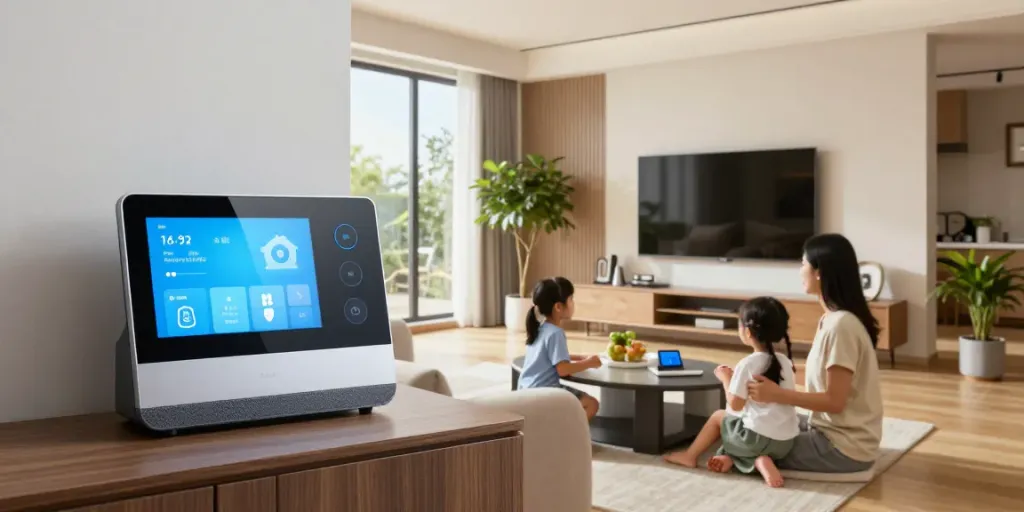
As technology continues to evolve, the concept of smart homes has transitioned from a futuristic dream into a practical reality. Smart home technology integrates various devices, allowing homeowners to control their environments conveniently and efficiently, all from their smartphones or other devices. With the advent of intelligent systems, managing everything from security to entertainment has never been easier. For those interested in enhancing their living spaces, جهان اسمارت offers a range of innovative solutions tailored to modern lifestyles.
What is Smart Home Automation?
Smart home automation involves the integration of technology into various components of a home to streamline processes and improve efficiency. This can include controlling lighting, heating, security systems, and appliances remotely via the internet. Devices are connected through a central hub, allowing them to communicate with each other, providing users with greater control over their environment.
Key Benefits of Smart Technology
- Convenience: The ability to control your entire home environment from a single application simplifies day-to-day tasks.
- Energy Efficiency: Smart devices can optimize energy use, leading to substantial savings on utility bills.
- Enhanced Security: With smart cameras and locks, homeowners can monitor their property in real-time and receive alerts of any suspicious activities.
- Customization: Smart home systems allow for tailored experiences, adapting to personal preferences and routines.
Common Misconceptions About Smart Homes
Despite the growing popularity of smart homes, several misconceptions persist. Many people believe that smart home technology is prohibitively expensive, while others think that these systems are too complicated to manage. In reality, there are solutions available for all budgets, and many devices are designed to be user-friendly, making them accessible to everyone.
Exploring Products by جهان اسمارت
Overview of Smart Locks and Security Systems
Security is a top priority for homeowners, and smart locks offer enhanced safety features that traditional locks cannot. Options like the Bosch FU8 PLUS smart lock and the J-Lock JL6 smart lock provide keyless entry, remote access, and real-time monitoring. These devices not only enhance security but also offer convenience by allowing residents to manage access from anywhere.
Innovative Smart Lighting Solutions
Smart lighting systems can significantly improve the ambiance of your home while also being energy efficient. With products such as the Benica smart switches and Orvibo smart touch panels, users can customize their lighting preferences effortlessly. This technology allows for scheduled lighting, mood settings, and even the ability to control lights remotely.
Advanced Smart Thermostats and Sensors
Smart thermostats are essential for optimizing heating and cooling efficiency. Models like the smart thermostat can learn your preferences and adjust settings automatically, reducing energy consumption when you are away. Additionally, integrating smart sensors into your home can help monitor conditions and alert you to any changes, such as humidity levels or unexpected temperature fluctuations.
Implementation Strategies for Smart Homes
Steps to Begin Your Smart Home Journey
Starting your smart home journey can be exciting yet overwhelming. Begin by assessing your needs and setting a budget. Identify what areas of your life you want to automate, whether it's security, lighting, or climate control. Once you have a plan, research compatible devices and platforms that work seamlessly with your chosen systems.
Integrating Devices for Seamless Operation
For a truly smart home experience, it's crucial to ensure that all devices are integrated. Choosing products that operate on common protocols, such as Zigbee or Z-Wave, can streamline this process. Utilize hub systems that can connect multiple devices and allow for centralized control, leading to a more cohesive smart home experience.
Common Challenges and How to Overcome Them
While transitioning to a smart home can come with challenges, such as compatibility issues and connectivity problems, these can often be resolved with careful planning. Ensure your Wi-Fi network is robust enough to handle multiple devices simultaneously. Also, look for products that offer comprehensive customer support and have good user reviews to minimize potential issues.
Case Studies: Successful Smart Home Projects
Residential Implementation Examples
A successful application of smart home technology can be seen in various residential projects. For instance, homes outfitted with the Sharp facial recognition smart locks and smart audio systems have reported increased security and convenience. Homeowners can grant access remotely and enjoy personalized audio experiences throughout their spaces.
Commercial Project Success Stories
Commercial spaces are also benefiting from smart home technologies. Projects like the Opal commercial complex have successfully integrated smart systems to enhance security and operational efficiency. Features like automated lighting and climate control help in reducing energy costs while improving the overall comfort for tenants and visitors.
Impact of Smart Technology on User Experience
Smart technologies have dramatically transformed user experiences. Homeowners now enjoy greater control, convenience, and peace of mind, knowing that their homes are equipped with the latest security and automation tools. Moreover, these technologies often lead to healthier living environments by maintaining optimal conditions throughout the home.
The Future of Smart Homes in 2026
Emerging Trends in Home Automation
The smart home landscape is ever-evolving, and by 2026, several trends are anticipated to shape its future. Voice-activated systems and artificial intelligence will likely play a pivotal role in making homes more intuitive and responsive to user needs. Additionally, interconnectivity among devices will enhance the user experience, allowing for seamless operations across platforms.
Technological Innovations on the Horizon
Future innovations will likely focus on sustainability and energy efficiency. Advanced smart appliances that can self-regulate based on usage patterns and renewable energy sources will become more prevalent. Integration with smart city infrastructure may also contribute to improved efficiency and convenience for homeowners in urban settings.
Predictions for Smart Home Adoption Rates
As awareness and access to smart technologies grow, adoption rates are expected to rise significantly. By 2026, a substantial percentage of households are likely to embrace smart home features as standard, making it critical for manufacturers to innovate continually and keep pace with consumer demand.
What are the main advantages of using smart home devices?
Smart home devices offer a range of advantages including convenience, improved security, and increased energy efficiency. They enhance the user experience by enabling remote management and automation of tasks, ultimately leading to a more comfortable and safe living environment.
How does smart home automation improve security?
Smart home automation enhances security through real-time monitoring, alerts, and remote access to security systems. Devices like smart locks and cameras can significantly decrease the risk of unauthorized access and allow homeowners to monitor their property from anywhere.
What should I consider when selecting smart home products?
When selecting smart home products, consider compatibility with existing devices, ease of use, and customer support options. Additionally, evaluate the long-term value of the products, including energy savings and potential for integration with future technologies.
Can I integrate old devices into a smart home system?
In many cases, it is possible to integrate older devices into a smart home system with the help of smart plugs or hubs that allow legacy products to connect to modern networks. This can offer a cost-effective way to transition towards a smart home.
How will smart home technology evolve in the coming years?
Smart home technology is set to evolve rapidly, focusing on increased interconnectivity, user-friendly interfaces, and enhanced automation capabilities. The role of artificial intelligence is expected to expand, allowing homes to learn from user behavior and adjust systems in real-time to improve comfort and efficiency.