The Role of AI Data Centers in Modern Infrastructure
As organizations increasingly embrace artificial intelligence (AI) technologies, the role of AI data center has become pivotal in supporting the computational demands of AI applications. These specialized facilities are designed to handle extensive data processing and storage needs, offering a robust infrastructure that enables faster data handling, increased operational efficiency, and reduced latency for diverse AI workloads. In this article, we will explore the various aspects of AI data centers, their benefits, and the emerging trends shaping their future.
Understanding AI Data Centers
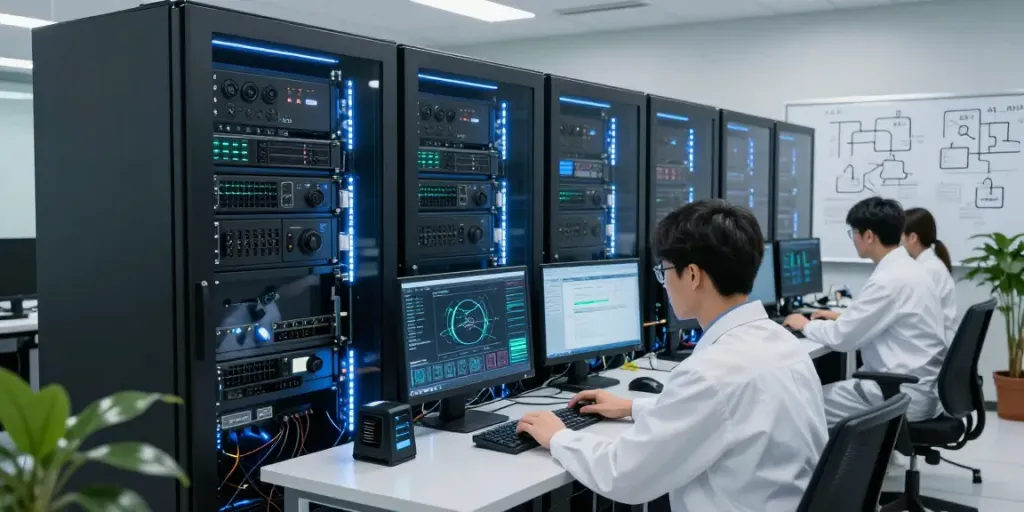
AI data centers differ significantly from traditional data centers, as they are tailored specifically for the unique requirements of AI workloads. They integrate advanced computational resources like Graphics Processing Units (GPUs) and Tensor Processing Units (TPUs), which are essential for processing vast amounts of data and supporting machine learning algorithms. This tailored design results in enhanced performance, reliability, and scalability compared to conventional data infrastructure.
Evolution of AI Data Technologies
Over the past decade, we have witnessed remarkable advancements in AI technology, which have led to the proliferation of AI data centers. The increasing complexity of AI models, such as deep neural networks, necessitates high-performance computing capabilities. Consequently, data centers have evolved from simply housing servers to becoming comprehensive ecosystems that facilitate rapid AI development and deployment.
Key Components of an AI Data Center
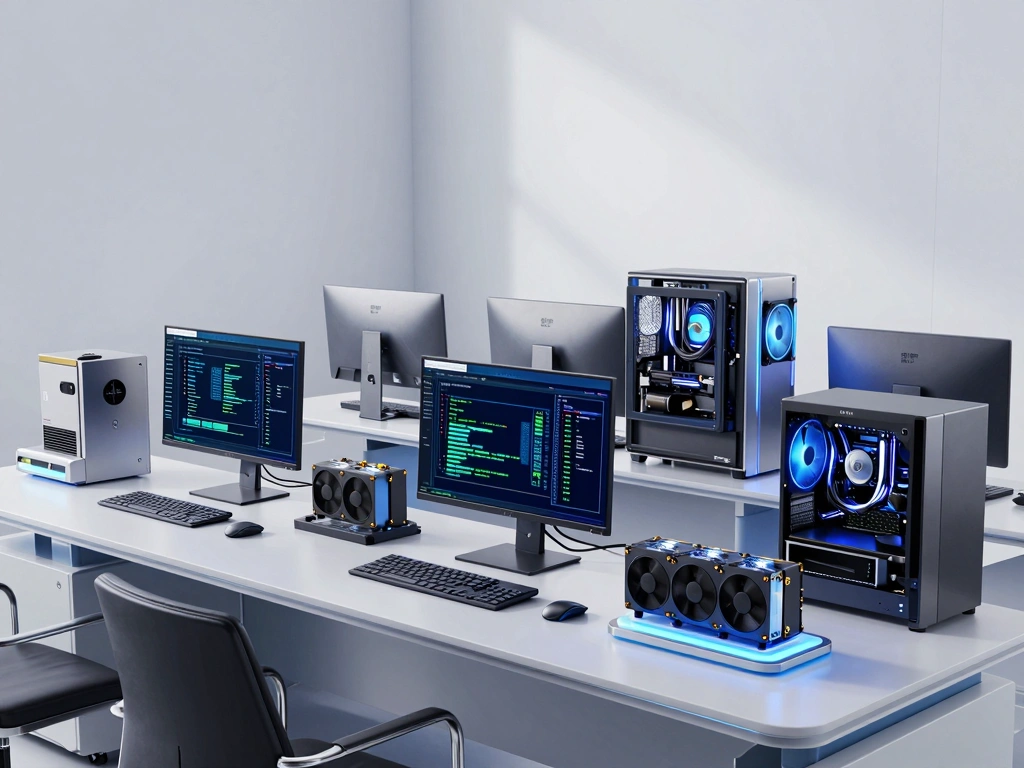
- High-Performance Hardware: AI data centers are equipped with high-density GPUs and TPUs to efficiently handle demanding AI computations.
- Optimized Cooling Solutions: To maintain optimal performance, these centers utilize advanced cooling technologies to prevent overheating of hardware.
- Scalable Storage Solutions: With the exponential growth of data, AI data centers require scalable storage solutions to accommodate large datasets efficiently.
- Network Infrastructure: Fast and reliable networking is crucial to ensure low-latency communications between various components in the data center.
Benefits of AI Data Centers for Businesses
Investing in AI data centers presents numerous advantages for businesses looking to leverage artificial intelligence capabilities. These benefits include enhanced efficiency, cost savings, scalability, and improved service delivery.
Efficiency and Cost Savings
AI data centers enable businesses to optimize resource allocation and reduce operational costs. By consolidating multiple AI workloads in a single high-performance environment, organizations can decrease energy consumption and maintenance expenses. Furthermore, the ability to rapidly deploy AI services can lead to faster time-to-market for products and services, enhancing overall business agility.
Enhanced Scalability for AI Workloads
As businesses expand their usage of AI technologies, scalability becomes crucial. AI data centers are designed to support growing workloads by incorporating scalable architectures that allow for easy upgrades and integration of new hardware and software solutions. This adaptability ensures that organizations can meet fluctuating demands without significant financial investments.
Reducing Latency for AI Services
Low latency is essential in many AI applications, especially in sectors such as finance and healthcare. AI data centers facilitate faster data processing and retrieval by locating computational resources closer to data storage, significantly reducing latency and improving overall performance.
Powering the AI Token Economy
The rise of AI technologies has also given birth to the AI token economy, where computational power is measured in tokens. This economy relies on the efficient operation of AI data centers to process token-based services seamlessly.
How AI Data Centers Support Token-Metered Services
In the AI token economy, tokens serve as units of measurement for AI model usage, akin to how kilowatt-hours measure electricity consumption. AI data centers support token-metered services by processing input tokens and generating output tokens efficiently. This capability allows organizations to track and manage their AI usage transparently, fostering trust and fairness in the ecosystem.
Calculating Contributions and Rewards in AI Data Centers
As organizations participate in the AI token economy, understanding contribution and reward calculations is vital. Each AI data center implements a contribution tracking system that records electricity support, token processing activity, and associated costs. This data is essential for calculating rewards based on individual contributions, ensuring that participants receive accurate compensation for their support.
Global Connectivity in AI Infrastructure
AI data centers play a crucial role in establishing global connectivity between participants in the AI token economy. By providing a distributed infrastructure, these centers facilitate collaboration across borders, allowing organizations to leverage AI capabilities more effectively while contributing to a seamless exchange of resources and tokens.
Best Practices for Managing AI Data Centers
While deploying AI data centers, organizations must prioritize effective management to ensure optimal performance and sustainability. Here are some best practices to consider:
Optimal Resource Allocation and Power Management
Efficient resource allocation is vital for maximizing the return on investment in AI data centers. Implementing dynamic power management strategies can help optimize energy consumption while ensuring sufficient resources for demanding AI workloads. This approach not only improves operational efficiency but also contributes to sustainability efforts.
Implementing Sustainability in AI Data Facilities
With growing concerns about environmental impact, AI data centers must adopt sustainable practices. This includes utilizing renewable energy sources, optimizing cooling systems, and employing energy-efficient hardware. By prioritizing sustainability, organizations can reduce their carbon footprint while maintaining high-performance standards.
Monitoring Performance Metrics and Operational Efficiency
Continuous monitoring of performance metrics is essential for maintaining operational efficiency in AI data centers. This data can provide valuable insights into resource utilization, cooling effectiveness, and overall performance, enabling organizations to make informed decisions about upgrades and optimizations.
The Future of AI Data Centers Beyond 2026
As technology continues to evolve, the future of AI data centers looks promising. Several emerging trends and innovations are expected to shape the landscape of AI infrastructure.
Emerging Trends in AI Data Center Design
Future AI data centers are likely to incorporate more flexible designs that support modular architectures. This adaptability will allow organizations to rapidly scale their operations and respond to changing demands without significant infrastructure changes.
Predicted Developments in AI and Cloud Integration
Cloud computing and AI are becoming increasingly intertwined, with many organizations opting for hybrid cloud solutions that seamlessly integrate on-premise AI data centers with cloud services. This integration will provide greater flexibility, scalability, and cost savings, enabling businesses to leverage the best of both worlds.
Preparing for Regulatory Changes and Compliance
As AI technologies gain traction and public concern grows regarding data privacy and security, regulatory changes are expected. Organizations must stay ahead by ensuring compliance with emerging regulations, thereby safeguarding their operations and maintaining consumer trust.
What Are the Key Features of AI Data Centers?
AI data centers are characterized by their high-density computing resources, advanced cooling systems, and scalable architectures. These features are essential for meeting the demanding requirements of modern AI applications.
How Are AI Data Centers Different from Traditional Data Centers?
While traditional data centers focus on generic computing workloads, AI data centers are optimized for specific AI tasks that require significant computational power, low latency, and high throughput. This specialization helps organizations achieve better performance and efficiency in their AI initiatives.
What Should Businesses Consider When Choosing an AI Data Center?
Businesses must evaluate several factors when selecting an AI data center, including hardware capabilities, energy efficiency, scalability options, connectivity, and compliance with industry regulations. By considering these aspects, organizations can choose the right infrastructure to support their AI initiatives successfully.
How Do AI Data Centers Impact Environmental Sustainability?
AI data centers can significantly influence environmental sustainability through the adoption of energy-efficient practices, renewable energy sourcing, and advanced cooling technologies. By prioritizing sustainability, organizations can reduce their environmental impact while maintaining operational efficiency.
What is the Future of AI Data Centers in the Industry?
As AI technology continues to advance, AI data centers will remain at the forefront of innovation, driving efficiencies and enabling the next generation of AI applications. The growing demand for AI capabilities in various sectors will only amplify the importance of these data centers in facilitating robust, scalable, and sustainable AI solutions.