
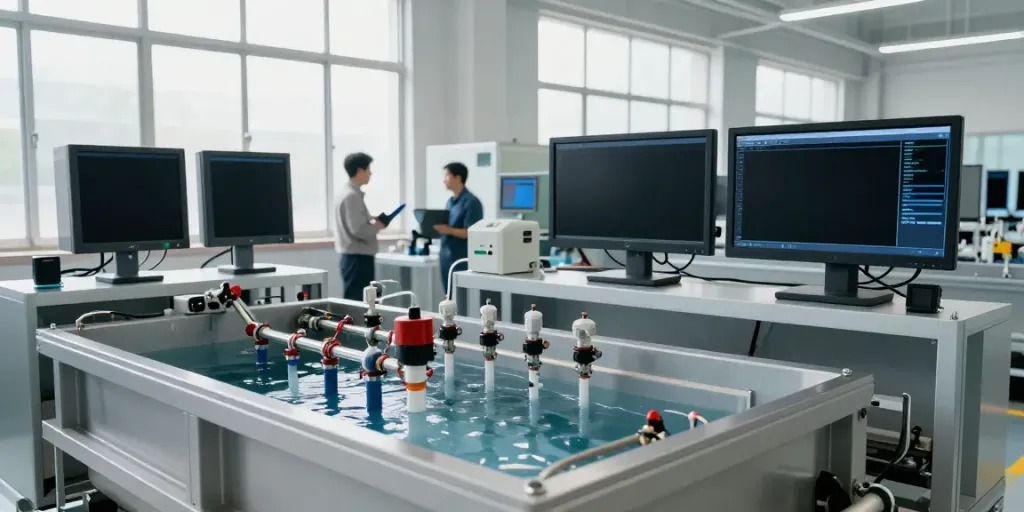
Understanding Water Treatment Needs
In today's rapidly industrializing world, ensuring high-quality water is a paramount concern across various sectors. Industries rely heavily on water for their operations, making its quality crucial not just for production but also for compliance with environmental regulations. Whether in the food, chemical, or textile industries, water treatment is essential to remove contaminants that could lead to unsafe products and environmental degradation. When exploring options, Water Treatment Equipment Supplier provides comprehensive insights into the necessary equipment and systems required for specific applications, ensuring that industries can effectively manage their water quality.
The Importance of Water Quality in Industries
In any industrial setting, water quality significantly impacts production processes, product safety, and overall operational efficiency. Contaminated water can compromise machinery, lead to product recalls, and result in hefty fines for non-compliance with environmental standards. Industries such as food processing must adhere to strict hygiene standards, where even minor water quality issues can have substantial implications.
Moreover, sectors like textiles and chemicals face unique challenges due to the variations in water quality needed for different processes. Utilizing high-quality water not only ensures compliance but also enhances the sustainability of operations, driving long-term profitability and corporate responsibility.
Common Water Treatment Challenges Faced by Businesses
Businesses encounter numerous challenges when it comes to water treatment:
- Cost Efficiency: Investing in advanced water treatment systems can be capital intensive. However, the long-term savings and compliance benefits often outweigh initial costs.
- Regulatory Compliance: Adhering to local and international water quality regulations is essential, requiring businesses to continuously monitor and adjust their water treatment processes.
- System Integration: For industries employing multiple processes, integrating water treatment systems with existing operations can be technically challenging.
- Technological Upgrades: Keeping up with the latest water treatment technologies and methodologies is crucial for maintaining competitive advantage.
Identifying the Right Equipment for Specific Applications
Choosing the right water treatment equipment hinges on understanding specific application requirements. For example, the food and beverage industry may require comprehensive filtration and disinfection systems to ensure safe products, while manufacturers in the textile industry may focus on color removal and chemical treatment solutions.
Custom water treatment solutions are vital for addressing these unique needs. Collaborating with expert suppliers ensures tailored solutions that meet industry demands and regulatory standards effectively.
Innovative Modular Systems
As industries evolve, so do their water treatment systems. Modular systems offer flexibility and efficiency that traditional systems may lack. These systems can be scaled up or down based on the operational demands of a business, making them ideal for various applications across sectors.
Benefits of Integrated Modular Water Treatment Solutions
Integrated modular water treatment systems come with several advantages:
- Scalability: Easily adjust capacity based on changing needs.
- Reduced Footprint: Modular systems typically require less space than traditional systems.
- Cost-Effectiveness: Lower upfront costs due to reduced construction and installation demands.
- Quick Deployment: Modules can be quickly assembled and operational, minimizing downtime.
Case Studies: Successful Implementations of Modular Systems
Several industries have successfully implemented modular water treatment systems. For instance, a textile manufacturing company faced challenges with high water consumption and pollution control. By integrating a modular system, they achieved significant reductions in water use and improved effluent quality, thereby meeting stricter environmental regulations.
Another example comes from the food production industry, where a modular solution enabled a large manufacturer to quickly scale operations without compromising water quality or safety, demonstrating the versatility and competence of these systems in various scenarios.
Future Trends in Modular Water Treatment Equipment
As technological advancements continue, the future of modular water treatment equipment looks promising:
- Smart Systems: Integration of IoT technology will allow for real-time monitoring and automated adjustments to treatment processes.
- Energy Efficiency: New designs focus on reducing energy consumption, making treatment processes more sustainable.
- Enhanced Filtration Technologies: Innovations in filtration methods, such as membrane bioreactors and nanotechnology, promise improved efficiency and effectiveness.
Effective Chemical Dosing Systems
Proper chemical dosing is critical for water treatment effectiveness, particularly in industries that require precise control over chemical inputs. Effective chemical dosing systems optimize water treatment processes by ensuring that chemicals are used judiciously and safely.
How Integrated Chemical Process Systems Enhance Safety and Efficiency
Integrated Chemical Process Systems automate the chemical dosing process, which enhances both safety and operational efficiency. By using advanced sensor technology and intelligent control algorithms, these systems provide real-time data and adjustments, minimizing risks associated with manual dosing.
For example, a municipal water treatment facility implemented an integrated dosing system that allowed for accurate chemical application, significantly reducing chemical waste and ensuring compliance with local regulations. This automated approach not only improved safety but also streamlined operational workflows.
Operational Best Practices for Chemical Dosing
To maximize the effectiveness of chemical dosing systems, consider the following best practices:
- Regular Calibration: Ensure all dosing equipment is calibrated regularly to maintain accuracy.
- Training Personnel: Properly trained staff can leverage the full capabilities of automated systems, improving overall efficiency.
- Routine Maintenance: Conduct regular maintenance checks to prevent downtime and ensure continuous operation.
Regulatory Compliance: Meeting Environmental Standards with Proper Dosing
Regulatory compliance is a significant concern for all industries, particularly when it comes to chemical dosing. Adhering to environmental regulations requires businesses to maintain precise dosing practices, which can be achieved through integrated systems that monitor real-time data.
Regular audits and documentation of dosing practices help businesses demonstrate compliance and enhance their environmental governance. Investing in reliable chemical dosing systems ultimately supports not just operational success but also corporate responsibility.
Choosing the Right Supplier
Identifying a reputable water treatment equipment supplier is crucial for ensuring you receive high-quality products and services tailored to your specific needs. The right partner can make a significant difference in the effectiveness and efficiency of your water treatment processes.
Evaluating Water Treatment Equipment Suppliers
When evaluating potential suppliers, consider the following criteria:
- Industry Experience: Suppliers with extensive experience typically offer insights into the best solutions for your specific industry needs.
- Product Range: A diverse range of products can indicate a supplier's ability to offer tailored solutions.
- Customer Reviews: Reviews and testimonials can provide valuable insights into the reliability and effectiveness of the supplier's products.
What to Look For in a Reliable Custom Equipment Manufacturer
A reliable custom equipment manufacturer should offer:
- Customization Options: Capable of tailoring solutions to fit unique operational requirements.
- Technical Support: Access to expert assistance during installation and throughout the equipment's lifecycle.
- Quality Assurance: Strict quality control measures to guarantee the reliability of the products provided.
The Role of Customer Support in Equipment Selection
Strong customer support is vital in selecting the right equipment. A responsive support team can assist with equipment selection, training, troubleshooting, and maintenance, ultimately ensuring the longevity and efficiency of water treatment systems.
Future-Proofing Your Water Treatment Strategy
As industries evolve, so too must their water treatment strategies. Future-proofing entails adopting new technologies, preparing for regulatory shifts, and ensuring that equipment remains effective and efficient.
Emerging Technologies in Water Treatment Equipment
Future water treatment equipment will increasingly incorporate advanced technologies and systems:
- Artificial Intelligence: AI can enhance system performance through predictive analytics and automated adjustments.
- Decentralized Systems: Smaller, localized systems may become more common, enabling industries to treat water at the source.
- Sustainability Focus: Equipment designed with sustainability in mind will likely gain traction, emphasizing energy recovery and minimizing waste.
Preparing for Regulatory Changes in the Water Treatment Sector
With increasing environmental concerns, regulatory frameworks governing water treatment continue to evolve. Businesses must stay informed about potential changes to ensure compliance and maintain operational integrity. Engaging with suppliers who are knowledgeable about regulations can provide invaluable insight.
Best Practices for Maintenance and Upgrades of Water Treatment Systems
Maintenance and regular upgrades are crucial for sustaining efficiency in water treatment systems. Developing a systematic maintenance schedule, conducting timely upgrades to incorporate new technologies, and addressing potential issues proactively can help maintain high operational standards.
In conclusion, navigating the complexities of water treatment requires a strategic approach that considers industry-specific challenges, supplier capabilities, and technological advancements. By partnering with a reliable Water Treatment Equipment Supplier and implementing best practices, industries can ensure efficient, safe, and compliant water treatment processes.