Understanding Mini Split AC Systems
A mini split AC system is a highly efficient, ductless solution designed to provide superior heating and cooling for both residential and commercial spaces. As an excellent alternative to traditional HVAC systems, mini splits offer the flexibility of controlling the climate in individual rooms or zones, leading to enhanced comfort levels while also promoting energy savings. If you're contemplating a new air conditioning system, understanding the benefits and mechanics of a mini split AC system can be a game changer. mini split ac system options come with various features that suit different needs and preferences.
What is a Mini Split AC System?
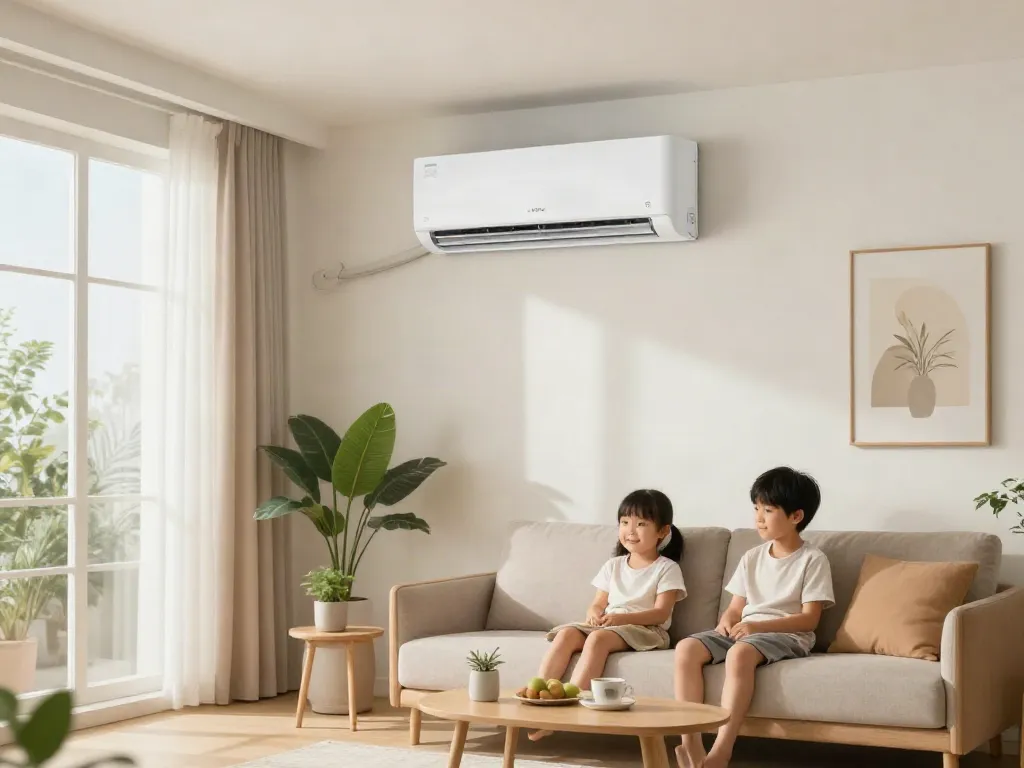
Mini split AC systems, also known as ductless air conditioning systems, consist of an outdoor compressor unit and one or more indoor air-handling units, which can be installed high on a wall or near the floor. These systems operate without ductwork, making them ideal for homes without existing ducts or for room additions. The indoor and outdoor units are connected by refrigerant lines, which not only carry refrigerant but also provide electrical connections between the units.
Benefits of Ductless Air Conditioning
- Energy Efficiency: Mini splits are known for their high energy efficiency, often exceeding SEER ratings of 20. This translates to lower utility bills and a smaller carbon footprint.
- Zoned Cooling: With the capability to install multiple indoor units, homeowners can choose to cool specific rooms, leading to energy savings by avoiding unnecessary cooling.
- Easy Installation: The absence of ductwork simplifies installation, which can often be done in a day by qualified professionals.
- Improved Air Quality: Mini splits come equipped with filters that remove impurities from the air, enhancing indoor air quality without the dust and allergens often associated with ducts.
- Heating Capabilities: Many mini split systems double as heat pumps, allowing them to provide both heating and cooling, making them versatile for year-round comfort.
Components of a Mini Split AC System
Understanding the components of a mini split AC system is essential for assessing its efficiency and functionality. The main parts include:
- Outdoor Unit: Houses the compressor and condenser. It expels the heat absorbed from inside the building.
- Indoor Unit(s): Installed in the areas to be cooled, these units distribute cold air and can be controlled independently.
- Refrigerant Lines: Connect the indoor and outdoor units, allowing for the transfer of thermal energy.
- Drain Line: Removes condensation produced by the indoor unit during the cooling process.
Installation Considerations
Installing a mini split AC system involves several considerations to ensure optimal performance and efficiency. Proper installation is crucial for the longevity of the system and to maximize its benefits.
How to Choose the Right Size for Your Space
Choosing the correct size for your mini split AC system is vital. An undersized unit will struggle to cool the space effectively, leading to increased energy consumption and potential burnout. Conversely, an oversized unit will cycle on and off frequently, wasting energy and failing to dehumidify effectively. Calculate the required BTU (British Thermal Unit) capacity by considering the room size, ceiling height, insulation, and average sun exposure.
Professional Installation vs. DIY
While some homeowners may consider DIY installation to save costs, professional installation is recommended for mini split systems. Experienced technicians ensure proper placement, secure electrical connections, and efficient refrigerant charging. An improper installation can lead to leaks, inefficiency, and shortened system lifespan.
Common Installation Challenges and Solutions
Common challenges during installation may include:
- Space Limitations: In tight spaces, it may be difficult to design an effective layout for the indoor units.
- Electrical Requirements: Upgrading electrical systems may be necessary to meet the requirements of the new units.
- Refrigerant Line Routing: Planning the path for refrigerant lines can become complicated in multi-level homes or large properties.
To address these issues, consulting with a licensed HVAC contractor is recommended, as they can provide tailored solutions based on your home’s layout.
Performance and Efficiency Metrics
Assessing the performance metrics of a mini split AC system is crucial to gauge its efficiency. Key metrics like SEER ratings and energy consumption directly influence operating costs and comfort levels.
Understanding SEER Ratings
SEER, or Seasonal Energy Efficiency Ratio, measures the cooling output over a typical cooling season divided by the total energy consumed in watt-hours. The higher the SEER rating, the more efficient the system. Look for systems with a SEER rating of at least 15 for optimal energy savings.
Energy Consumption of Mini Split Systems
Mini splits tend to use less energy compared to traditional HVAC systems, largely due to their ability to provide zoned cooling. However, efficiency can vary based on usage patterns, outdoor temperatures, and the conditions of the indoor environment. Monitoring energy consumption regularly can help identify potential issues early.
How to Optimize System Efficiency
To maximize the efficiency of your mini split system, consider the following tips:
- Regular maintenance, including cleaning or replacing filters.
- Utilizing energy-saving settings available on most mini split units.
- Sealing windows and doors to minimize air leaks.
- Using timers and smart controls to manage cooling based on occupancy.
Maintenance and Troubleshooting
Regular maintenance is essential for ensuring the longevity and efficiency of your mini split AC system. Recognizing common issues and knowing how to troubleshoot them can save time and costly repairs.
Regular Maintenance Best Practices
To maintain optimal performance, conduct the following routine maintenance tasks:
- Clean or replace air filters monthly during peak usage.
- Inspect and clean the outdoor unit to prevent debris buildup.
- Check and ensure that the drain line is clear to avoid water damage.
- Schedule annual professional maintenance to assess refrigerant levels and electrical components.
Common Issues and Their Solutions
Some common issues that may arise with mini split systems include:
- Inadequate Cooling: Could indicate a refrigerant leak or that the system is undersized.
- Noisy Operation: May be due to loose parts or an unlevel outdoor unit.
- Water Leaks: Often caused by blocked drain lines.
Identifying these issues early can prevent more serious complications. If problems persist, contacting a professional is advisable.
When to Call a Professional
If you experience significant performance issues, unusual noises, or persistent drainage problems, it is time to consult with an HVAC professional. Attempting to conduct repairs on your own can lead to further damage and safety hazards.
Future Trends in Mini Split Technology
As technology evolves, so does the mini split AC market. Staying informed about upcoming trends can help consumers make better purchasing decisions.
Innovations in Mini Split AC Systems for 2026
Expect advancements such as variable-speed compressors that allow for even greater energy efficiency and comfort control. Additionally, many manufacturers are focusing on integrating advanced inverter technology that provides higher performance with lower energy costs.
Smart Home Integrations and Mini Splits
With the rise of smart home technology, many mini split systems now feature compatibility with smart thermostats and home automation systems, allowing users to manage their heating and cooling through mobile apps or voice commands.
Environmental Impact and Sustainability Trends
As environmental concerns grow, many manufacturers are developing systems that use eco-friendly refrigerants and are designed to be more sustainable. Energy Star-rated units are becoming more prevalent, encouraging consumers to shift towards greener technologies.
What are the downsides of a mini split AC system?
While mini split systems offer numerous benefits, they may also present some downsides, such as higher initial costs, aesthetic concerns due to visible indoor units, and potential challenges with installation depending on the layout of your home.
What is the typical cost of installing a mini split system?
The cost of installing a mini split AC system can vary widely based on factors such as the number of indoor units, system brand, and installation complexity. On average, homeowners can expect to invest between $3,000 and $5,000.
How do mini split systems compare to traditional HVAC?
Unlike traditional HVAC systems that require ductwork, mini splits are more flexible and efficient, especially in older homes. They provide zoned heating and cooling, ensuring temperature control is tailored to individual room needs, reducing energy waste.
What maintenance does a mini split AC require?
Mini split systems require regular maintenance, including filter cleaning or replacement, cleaning the outdoor unit, and annual professional check-ups to ensure optimal operation and longevity.
Are mini split systems suitable for all climates?
Mini split systems are versatile and can be installed in various climates, including warmer regions where cooling is essential. Some models are even designed to operate efficiently in colder temperatures, making them suitable for diverse environments.